



Spix’s Macaw – The Race Against Extinction
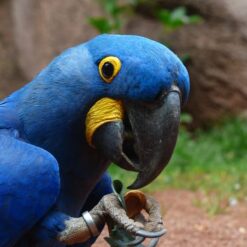
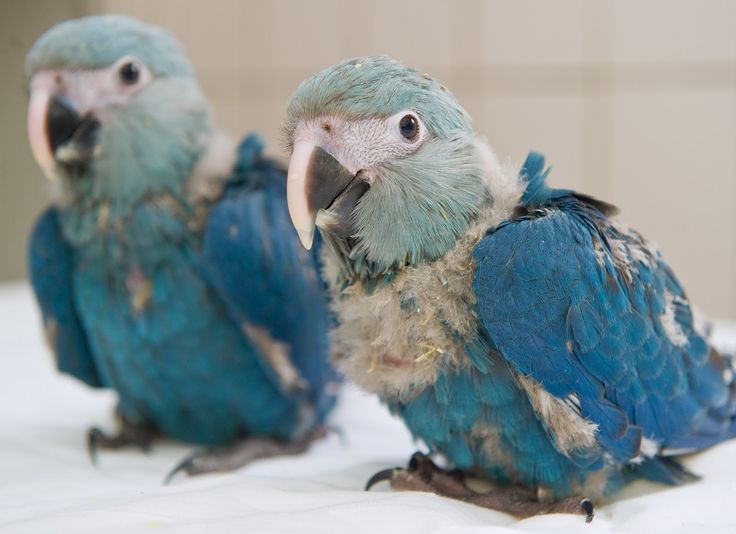
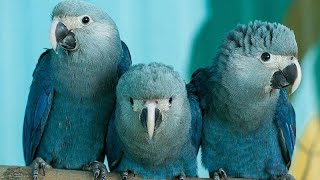
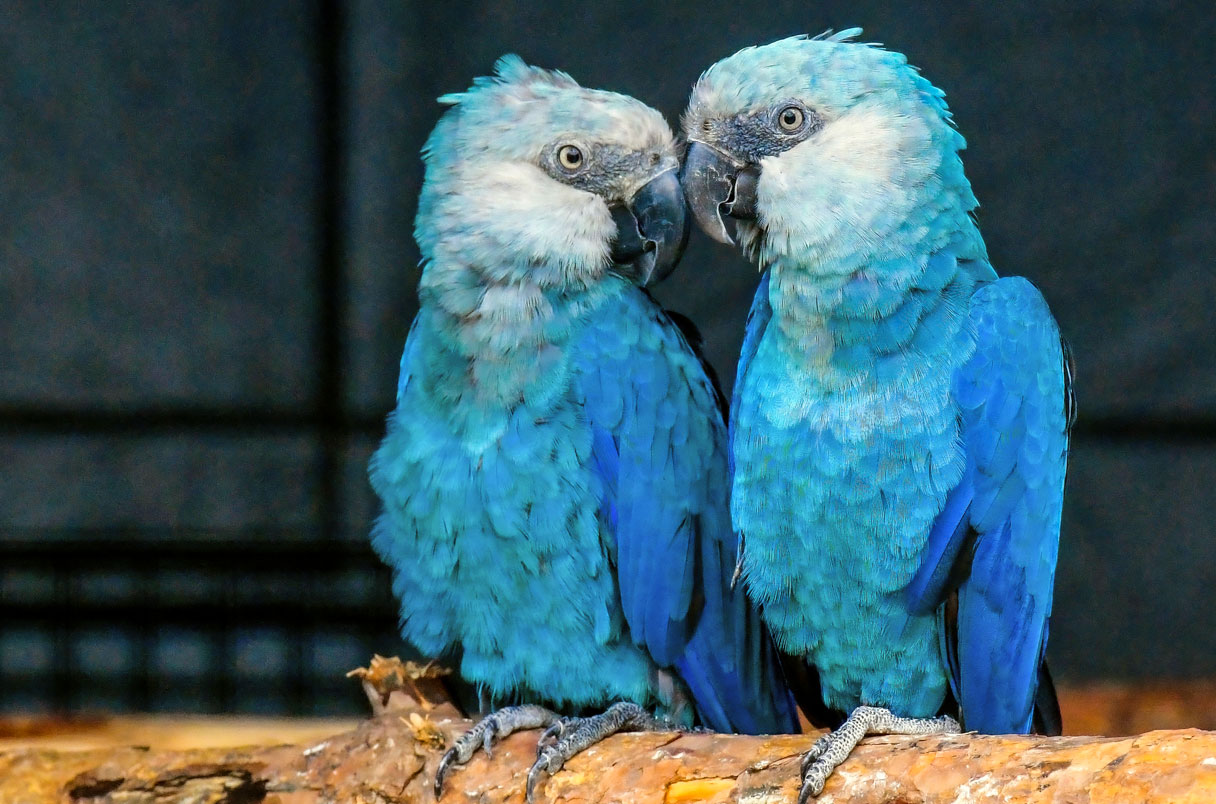
The Spix’s Macaw (Cyanopsitta spixii), often called the little blue macaw, represents one of the most critical conservation stories in the avian world. This medium-sized parrot, weighing approximately 300 grams, is distinguished by its stunning blue plumage—ranging from gray-blue on the head to vivid blue on the upperparts—and its smaller size compared to other macaws. First documented in 1638 by Georg Marcgrave and later named for Johann Baptist von Spix, this species was endemic to the Caatinga dry forests of Brazil, specifically the Rio São Francisco basin.
Habitat and Historical Range
The Spix’s Macaw relied exclusively on riparian Caraibeira (Tabebuia aurea) woodlands for nesting, feeding, and roosting. Its diet consisted primarily of seeds and nuts from Caraibeira and Euphorbiaceae shrubs. Tragically, habitat loss and deforestation led to a drastic decline in its population, and by 2019, the IUCN declared the species extinct in the wild. The last confirmed sighting occurred in 2016.
Conservation Efforts
International collaboration is underway to save the Spix’s Macaw from total extinction. Key initiatives include:
-
Captive Breeding Programs: Managed by organizations like the Association for the Conservation of Threatened Parrots (ACTP) and Brazil’s Chico Mendes Institute (ICMBio).
-
Reintroduction Projects: ACTP relocated birds from Germany to Brazil in 2020 as part of plans to reintroduce the species into restored habitats.
-
Legal Protections: Listed under CITES Appendix I, prohibiting trade except for conservation, science, or education.
How You Can Help
While Spix’s Macaws are not available for private ownership, you can support their survival by:
-
Donating to reputable conservation programs.
-
Spreading awareness about their plight.
-
Supporting habitat restoration efforts in Brazil.
Join the Mission
Though the Spix’s Macaw remains extinct in the wild, hope persists through dedicated conservation work. Explore our resources to learn how you can contribute to protecting these majestic birds for future generations.
Related products